
Manufactured Home Foundations
The foundation is the most critical structural element of any manufactured home installation. 3-A Construction, LLC designs and builds engineered foundation systems — pier-and-beam, concrete slab, and perimeter wall — that meet both HUD federal standards and Oregon's demanding seismic requirements.
Portfolio
Our Manufactured Home Foundations Work
See our recent manufactured home foundations projects.
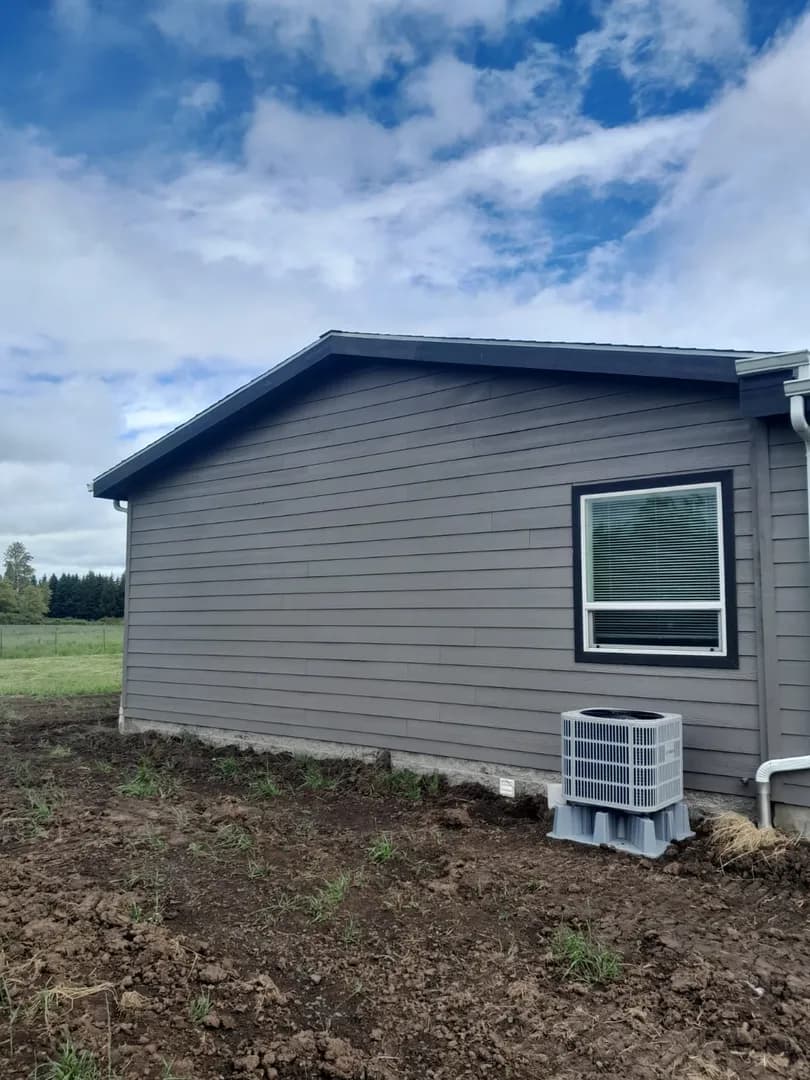
Latest Work
High-quality workmanship ensuring lasting durability and aesthetics.
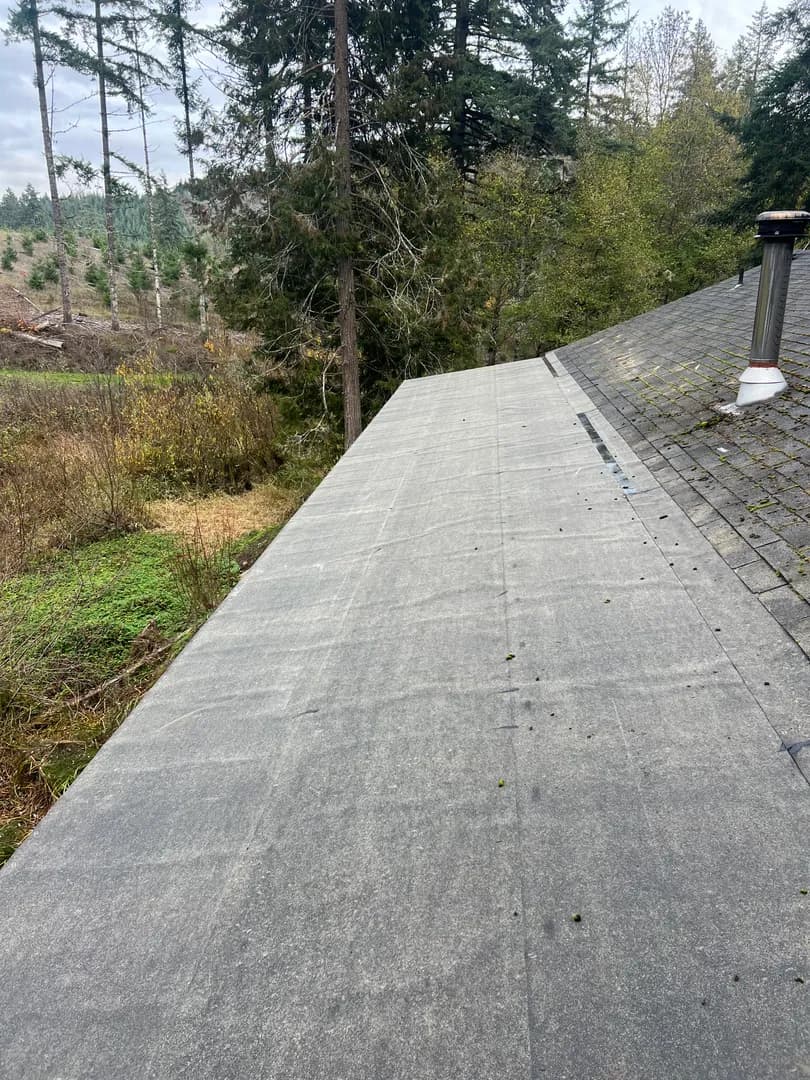
Latest Work
High-quality workmanship ensuring lasting durability and aesthetics.
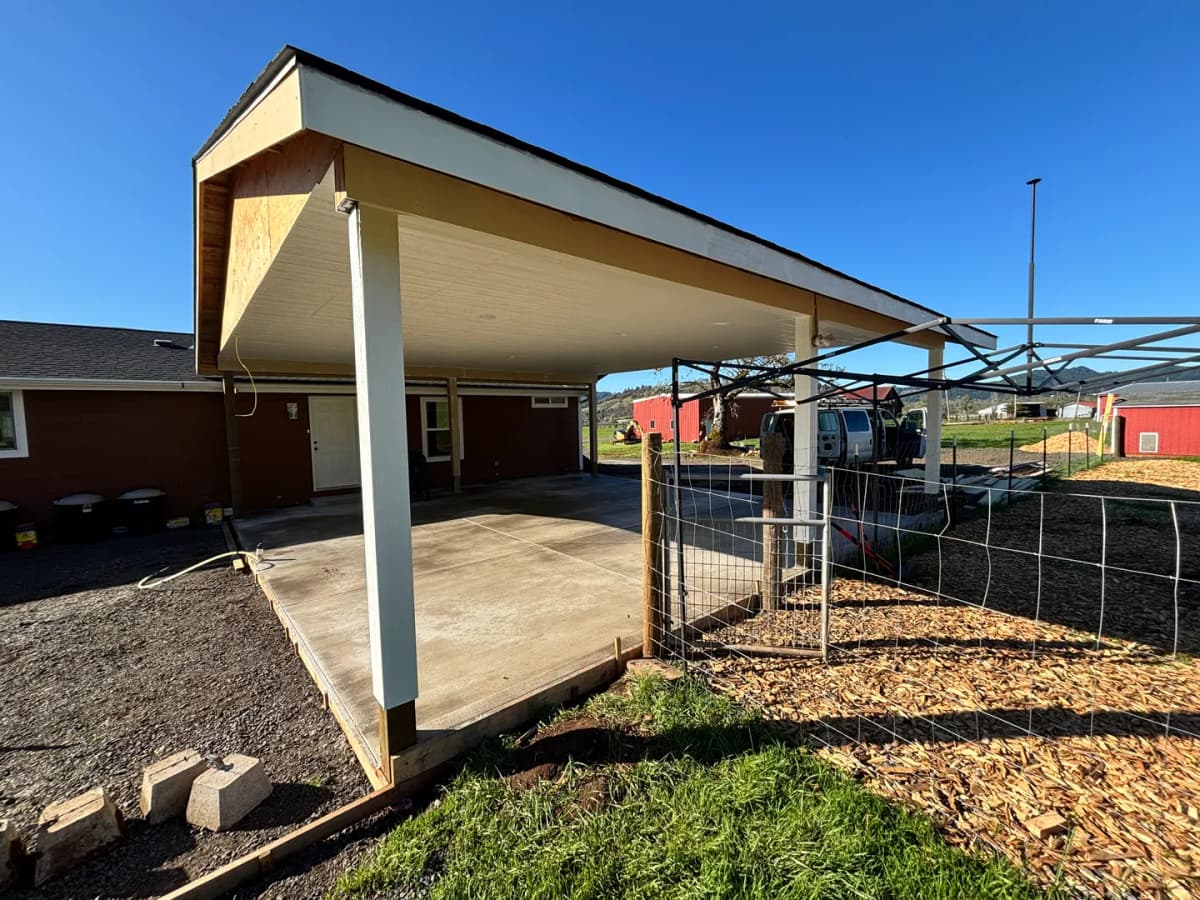
Latest Work
High-quality workmanship ensuring lasting durability and aesthetics.
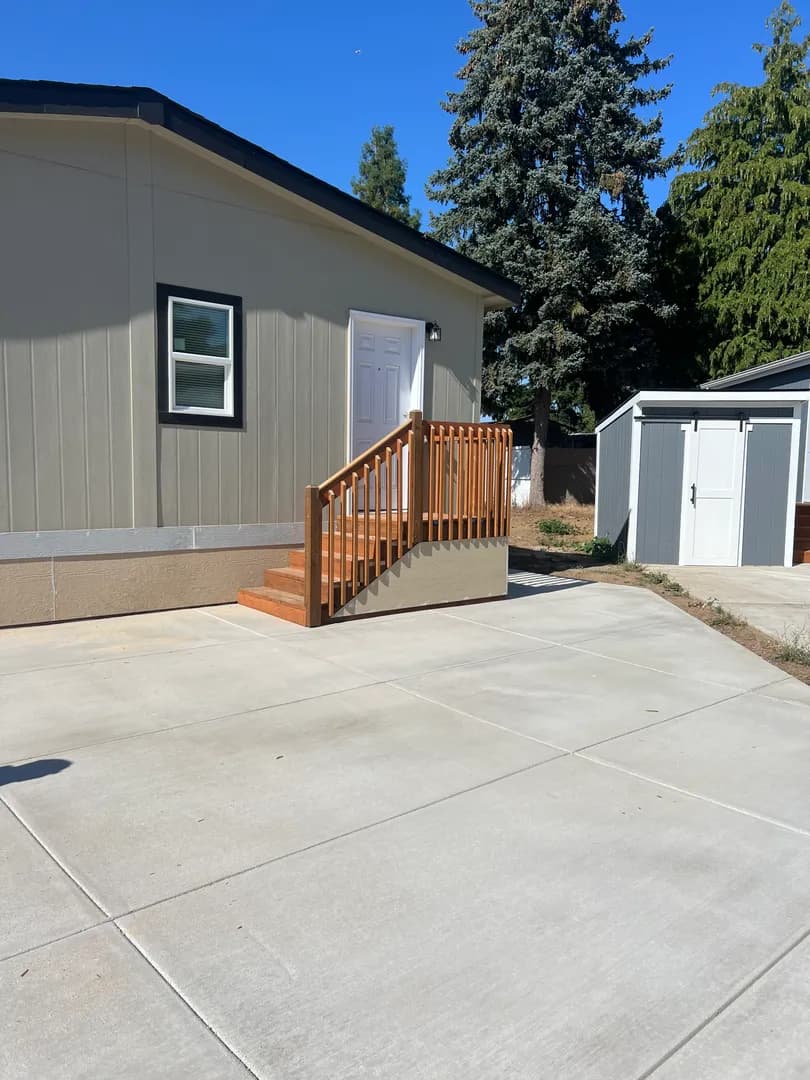
Latest Work
High-quality workmanship ensuring lasting durability and aesthetics.
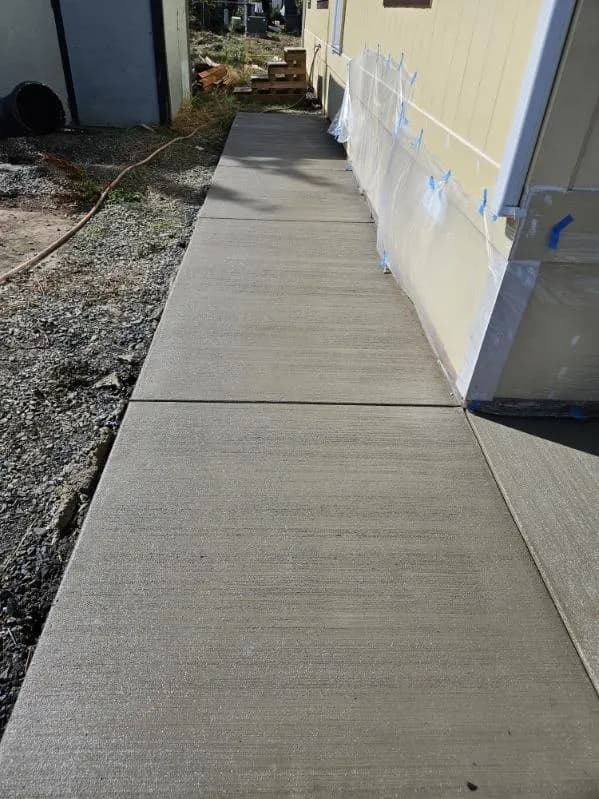
Latest Work
High-quality workmanship ensuring lasting durability and aesthetics.
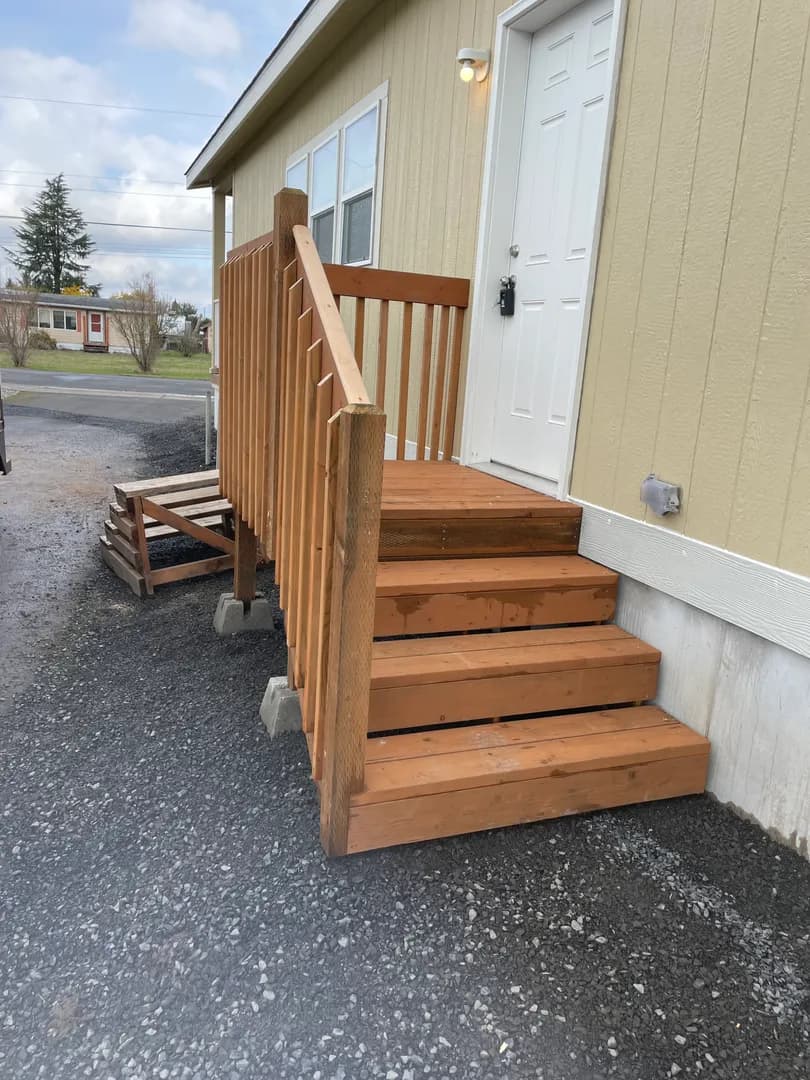
Latest Work
High-quality workmanship ensuring lasting durability and aesthetics.
A manufactured home is only as solid as the foundation beneath it, and in Oregon, that foundation must be engineered to withstand seismic activity, high winds, and the moisture-rich climate of the Pacific Northwest. 3-A Construction, LLC has been building manufactured home foundations across Oregon for over 20 years, completing more than 2,000 projects. We understand the engineering requirements, building codes, and soil conditions that determine the right foundation for your specific home and location.
Pier-and-beam foundations are the most common system for manufactured homes in Oregon. This design uses concrete piers set at engineered intervals beneath the home's steel frame, with blocking and shimming to achieve precise leveling. Steel anchoring straps connect the home to the piers and the piers to the ground to resist uplift and lateral movement. We install pier systems that meet HUD and Oregon-specific tie-down requirements for your wind and seismic zone.
Concrete slab foundations are preferred by some homeowners and lenders, particularly when converting a manufactured home to real property. A reinforced concrete slab provides a permanent, stable platform and simplifies utility routing. We pour slabs to engineered specifications with proper reinforcement, anchor bolt placement, and moisture barriers. Slab foundations also support perimeter skirting for a finished, site-built appearance.
Perimeter wall foundations, sometimes called stem wall or crawlspace foundations, enclose the area beneath the home with a continuous concrete wall. This design provides additional structural support, protects utilities from weather exposure, and creates accessible crawlspace storage. Perimeter wall foundations are often required for FHA and VA loan compliance and for real property conversion in Oregon.
Every foundation we build starts with a soil assessment and engineering review. We work with licensed engineers to ensure the foundation design accounts for your specific soil bearing capacity, frost depth, seismic zone, and wind exposure. Proper engineering is not optional in Oregon — it is required by the Building Codes Division and is essential for passing inspection and protecting your investment.
As a bank-approved builder, we understand the foundation requirements that lenders impose for manufactured home loans. Whether you need a standard HUD pier system for a chattel loan or a permanent perimeter foundation for a conventional mortgage, we build it right and provide the documentation your lender requires.
What We Offer
- Pier-and-beam foundation systems
- Poured concrete slab foundations
- Perimeter wall and stem wall foundations
- Engineered anchor and tie-down systems
- Seismic zone compliance for all Oregon counties
- FHA, VA, and conventional loan-compliant foundations
- Real property conversion-ready designs
- Licensed structural engineering coordination
Our Process
- 1Site evaluation and soil bearing capacity assessment
- 2Foundation type selection based on home, lender, and code requirements
- 3Engineered foundation plan development with licensed engineer
- 4Permitting and county plan review
- 5Excavation and site preparation for foundation construction
- 6Foundation installation — piers, slab, or perimeter walls
- 7Anchor bolt and tie-down system installation
- 8Inspection, approval, and documentation for lender and county
Frequently Asked Questions
What type of foundation does my manufactured home need?
The best foundation type depends on your home size, soil conditions, lender requirements, and whether you plan to convert the home to real property. Pier-and-beam is the most common and cost-effective option. Concrete slab and perimeter wall foundations are preferred for real property conversion and FHA or VA loans. We evaluate your specific situation and recommend the right solution.
Does Oregon require an engineered foundation for manufactured homes?
Yes. Oregon requires that manufactured home foundations meet both HUD federal standards and state-specific seismic and wind load requirements. An engineered foundation plan is required for permitting. We coordinate with licensed engineers to produce compliant foundation designs for every installation.
What is the difference between a HUD foundation and a permanent foundation?
A HUD foundation meets the minimum federal standards for manufactured home support and anchoring. A permanent foundation, as defined by HUD and Oregon guidelines, is designed to convert the home to real property and typically involves a perimeter wall or concrete slab system with specific anchoring. Permanent foundations are required for FHA and VA loans and for eliminating the home's vehicle title.
How long does foundation construction take?
Pier-and-beam foundations typically take 2 to 5 days to install. Concrete slab and perimeter wall foundations take 1 to 3 weeks depending on size and complexity, plus curing time for concrete. We schedule foundation work so it is ready before your home delivery date.
Can you replace or upgrade an existing manufactured home foundation?
Yes. We regularly replace deteriorated foundations and upgrade existing pier systems to permanent perimeter foundations for real property conversion or refinancing. The home is temporarily supported, the old foundation is removed, and the new foundation is built to current code requirements.
Do I need a foundation for a manufactured home in a park?
Manufactured home parks typically require pier-and-beam foundations that meet HUD standards and park-specific rules. We work with park management to ensure our foundation installation meets all requirements. If you later move the home to private land, we can upgrade the foundation as needed.
Areas We Serve
We offer manufactured home foundations across Oregon including the following communities:
Benton County
Clackamas County
Lane County
Linn County
Marion County
Washington County
Related Services
Explore other services we offer to complete your project.
.jpeg&w=1200&q=75)
Home Installation
From delivery coordination to final anchoring, 3-A Construction, LLC provides full-service manufactured home installation across Oregon.
Learn More.jpeg&w=1200&q=75)
Site Development
Transforming raw land into a build-ready home site is what we do best.
Learn More.jpeg&w=1200&q=75)
Excavation
3-A Construction, LLC provides professional excavation and grading services for residential and rural properties across Oregon.
Learn More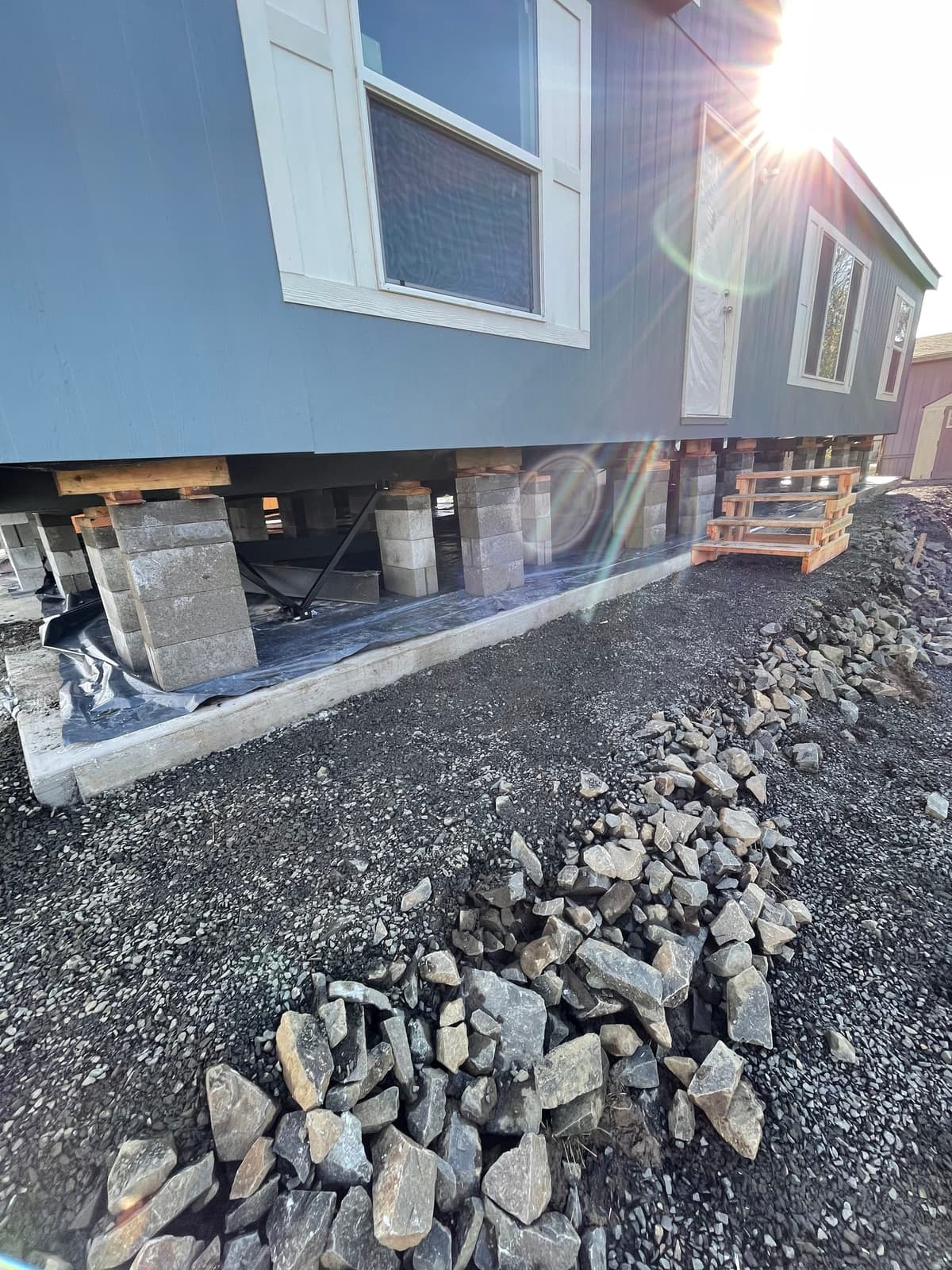
Tie Downs & Seismic Retrofitting
Oregon sits atop the Cascadia Subduction Zone, and the question is not if a major earthquake will occur but when.
Learn More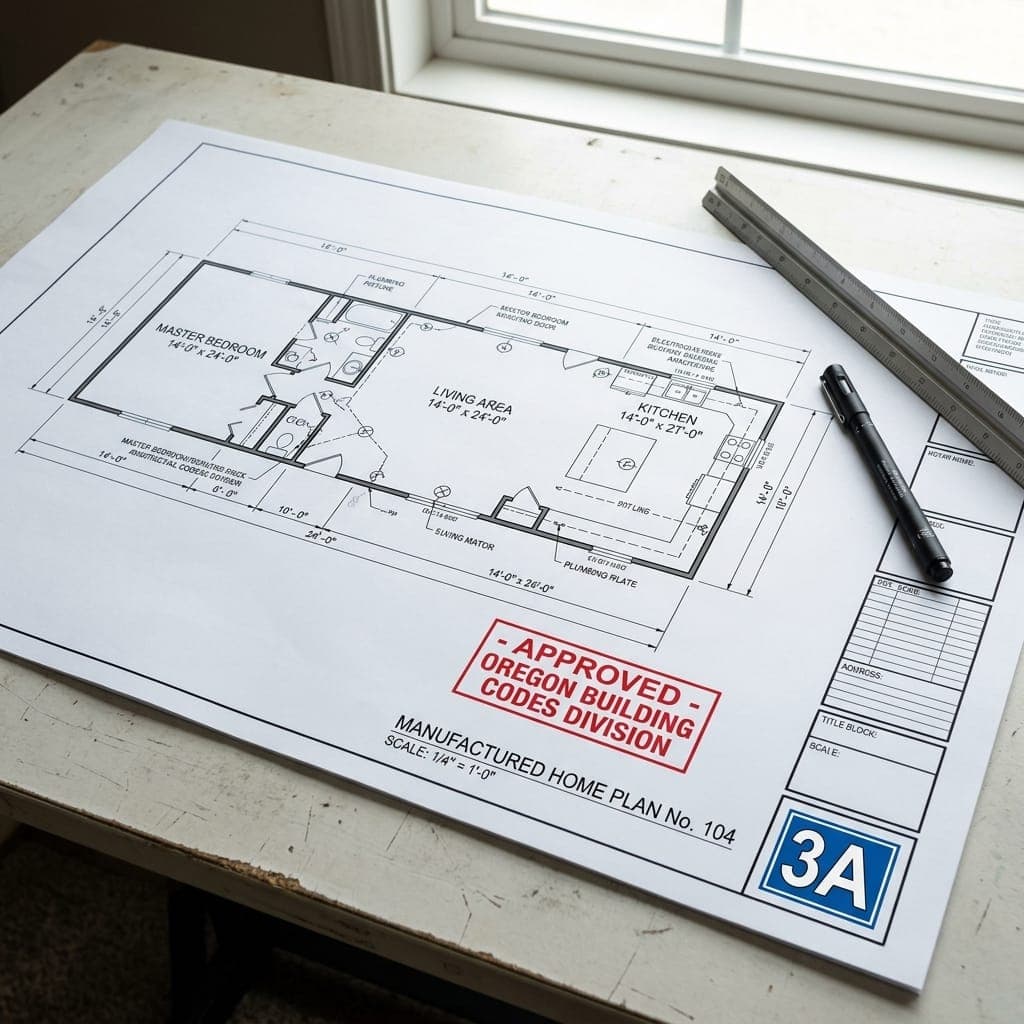
Permits
Navigating Oregon's permitting process is one of the biggest challenges homeowners face when placing a manufactured home.
Learn MoreReady to Get Started?
Contact us today to discuss your manufactured home foundations project.