
Tie Downs & Seismic Retrofitting & Earthquake Bracing
Oregon sits atop the Cascadia Subduction Zone, and the question is not if a major earthquake will occur but when. 3-A Construction, LLC provides tie downs & seismic retrofitting services for manufactured homes across Oregon, upgrading anchoring systems, foundations, and structural connections to protect your home and family.
Portfolio
Our Tie Downs & Seismic Retrofitting & Earthquake Bracing Work
See our recent tie downs & seismic retrofitting & earthquake bracing projects.
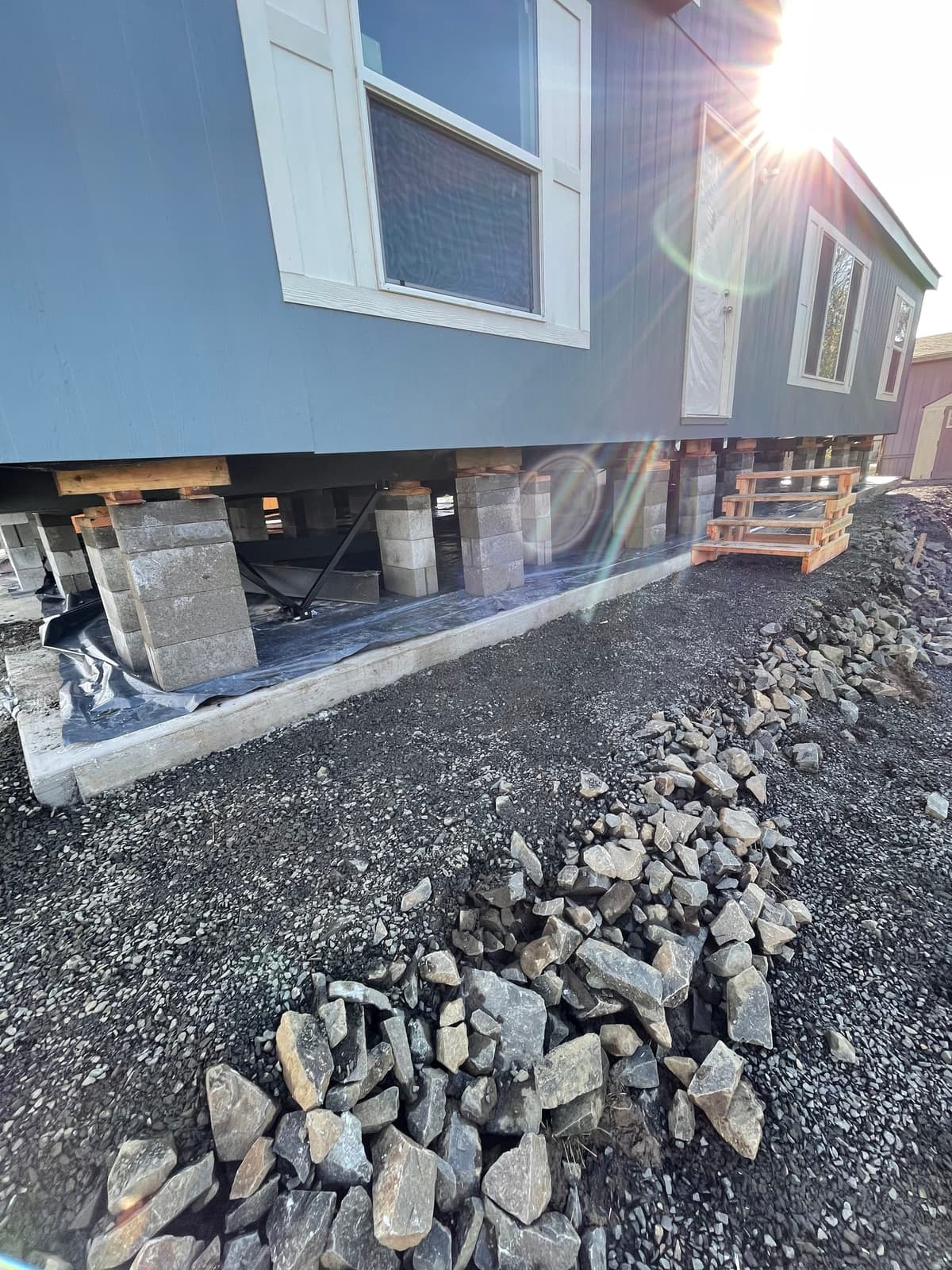
Latest Work
High-quality workmanship ensuring lasting durability and aesthetics.
Latest Work
High-quality workmanship ensuring lasting durability and aesthetics.
The Cascadia Subduction Zone runs the length of the Pacific Northwest coast and is capable of producing a magnitude 9.0 earthquake. Scientists estimate a significant probability of a major event occurring in the coming decades. For manufactured homeowners in Oregon, seismic preparedness is not optional — it is essential. 3-A Construction, LLC provides professional tie downs & seismic retrofitting services specifically designed for manufactured homes, drawing on our 20-plus years of installation and foundation experience.
Manufactured homes face unique seismic risks compared to site-built structures. Many older installations used minimal anchoring systems that do not meet current Oregon seismic standards. Pier blocks may not be properly connected to the frame, tie-down straps may be corroded or improperly installed, and foundations may lack the lateral bracing needed to resist the shaking forces of an earthquake. A tie downs & seismic retrofitting addresses these vulnerabilities systematically.
Our tie downs & seismic retrofitting process begins with a thorough evaluation of your home's existing foundation, anchoring system, and structural connections. We assess the condition of piers, footings, tie-down straps, and frame connections, and we identify deficiencies relative to current Oregon seismic code requirements. Based on this assessment, we develop a retrofit plan that brings your home's support system up to current standards.
Common retrofit measures include installing engineered anchoring systems that connect the home frame to the foundation and the foundation to the ground, adding lateral bracing to prevent pier displacement, replacing corroded or inadequate tie-down straps, upgrading from simple stacked blocks to connected pier-and-footing assemblies, and reinforcing marriage-line connections on multi-section homes. Every retrofit is designed for the specific seismic zone where your home is located.
We also perform seismic upgrades as part of foundation replacement projects. If your existing foundation is deteriorated and needs replacement, we design the new foundation to meet current seismic standards from the start. This combined approach gives you a structurally sound foundation and modern earthquake protection in a single project, which is more cost-effective than doing the work in separate phases.
What We Offer
- Comprehensive seismic vulnerability assessment
- Engineered anchoring and tie-down system upgrades
- Lateral bracing installation for pier foundations
- Foundation-to-frame connection reinforcement
- Marriage-line structural upgrades for multi-section homes
- Corroded hardware inspection and replacement
- Seismic zone-specific engineering and design
- Combined foundation replacement and seismic upgrade projects
Our Process
- 1On-site seismic vulnerability assessment of existing foundation and anchoring
- 2Documentation of current conditions with photos and measurements
- 3Retrofit plan development based on Oregon seismic zone requirements
- 4Engineering review and plan approval
- 5Permitting as required by local jurisdiction
- 6Retrofit construction including anchoring, bracing, and connection upgrades
- 7Post-retrofit inspection and verification
- 8Documentation and homeowner education on seismic preparedness
Frequently Asked Questions
How do I know if my manufactured home needs a tie downs & seismic retrofitting?
If your home was installed more than 15 to 20 years ago, it is likely anchored to standards that are less stringent than current Oregon seismic requirements. Visible signs that a retrofit may be needed include rusted tie-down straps, cracked or shifted pier blocks, gaps between the frame and piers, and skirting that has shifted or buckled. We offer free seismic assessments to evaluate your home's current condition.
What is the Cascadia Subduction Zone and why should I be concerned?
The Cascadia Subduction Zone is a 600-mile fault line running from northern California to British Columbia, located off the Oregon coast. It is capable of producing a magnitude 9.0 earthquake, and geological evidence shows it has produced major earthquakes roughly every 200 to 500 years. The last major event occurred in 1700, and seismologists consider the region overdue for another significant earthquake.
How much does a tie downs & seismic retrofitting cost for a manufactured home?
Retrofit costs depend on the size of your home, the condition of the existing foundation and anchoring, and the extent of upgrades needed. A basic anchoring and tie-down upgrade is less expensive than a comprehensive retrofit that includes new footings, lateral bracing, and frame connection reinforcement. We provide a detailed estimate after our on-site assessment.
Will a tie downs & seismic retrofitting prevent all earthquake damage?
No retrofit can guarantee zero damage in a major earthquake, but a properly engineered anchoring and bracing system dramatically reduces the risk of the most catastrophic outcomes — the home sliding off its foundation, piers collapsing, or the structure tipping. A tie downs & seismic retrofitting significantly improves your home's chances of remaining structurally intact and habitable after an earthquake.
Does Oregon require tie downs & seismic retrofittings for existing manufactured homes?
Oregon does not currently mandate tie downs & seismic retrofittings for existing manufactured home installations. However, current installation standards require seismic-rated anchoring and bracing for all new installations. Retrofitting an older installation to current standards is a proactive step that protects your home and may be required if you refinance or make significant modifications.
Can you combine a tie downs & seismic retrofitting with other foundation work?
Yes, and we recommend it. Combining a tie downs & seismic retrofitting with foundation repair, replacement, or upgrade work is the most cost-effective approach because the home is already supported for access to the foundation. Many homeowners choose to do seismic upgrades at the same time as foundation replacement or skirting work.
How long does a tie downs & seismic retrofitting take?
Most tie downs & seismic retrofittings for single-wide homes take 3 to 5 days. Double-wide and multi-section homes typically take 5 to 10 days depending on the scope of work. The timeline includes preparation, installation of anchoring and bracing components, and final inspection. We provide a specific timeline based on your retrofit plan.
Areas We Serve
We offer tie downs & seismic retrofitting & earthquake bracing across Oregon including the following communities:
Benton County
Clackamas County
Lane County
Linn County
Marion County
Washington County
Related Services
Explore other services we offer to complete your project.
.jpeg&w=1200&q=75)
Foundations
The foundation is the most critical structural element of any manufactured home installation.
Learn More.jpeg&w=1200&q=75)
Home Installation
From delivery coordination to final anchoring, 3-A Construction, LLC provides full-service manufactured home installation across Oregon.
Learn More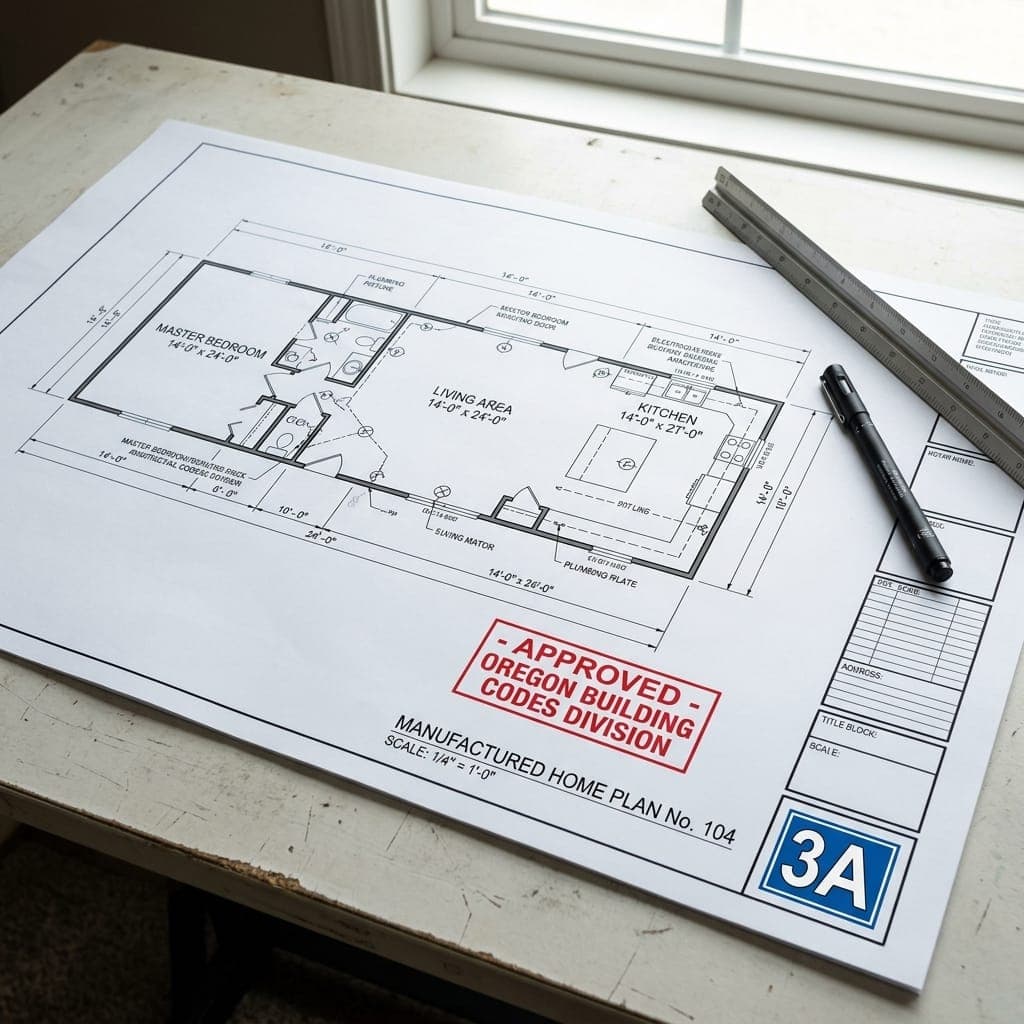
Permits
Navigating Oregon's permitting process is one of the biggest challenges homeowners face when placing a manufactured home.
Learn More.jpeg&w=1200&q=75)
Site Development
Transforming raw land into a build-ready home site is what we do best.
Learn More.jpeg&w=1200&q=75)
Excavation
3-A Construction, LLC provides professional excavation and grading services for residential and rural properties across Oregon.
Learn MoreReady to Get Started?
Contact us today to discuss your tie downs & seismic retrofitting & earthquake bracing project.